Category
chatbot-features
Setup
Dashboard, minutes
Channels
Web, WhatsApp, SMS, Slack, Teams
Data handling
SOC 2 Type II · GDPR
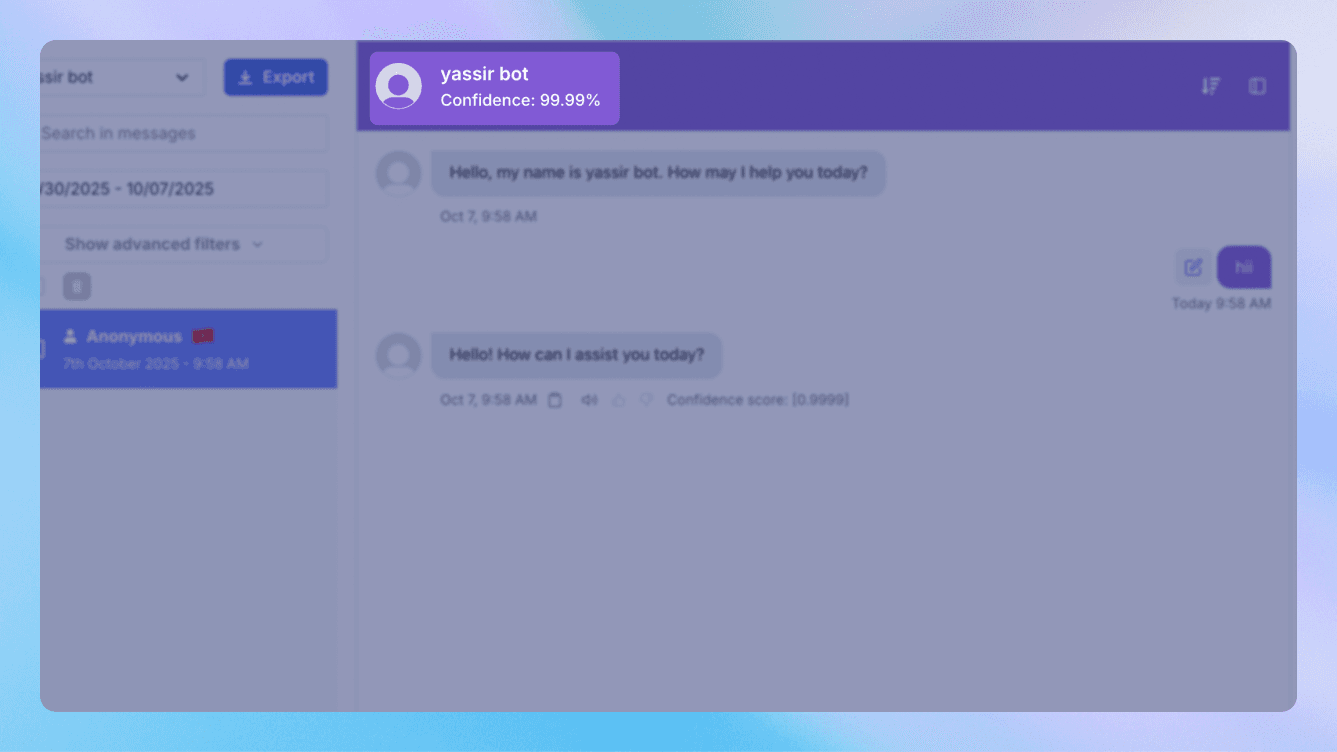
Not every answer an AI produces is equally reliable, and the dangerous ones are the confident-sounding guesses. Wonderchat scores its own confidence on every answer before it goes out, so a shaky response never reaches your customer as if it were certain.
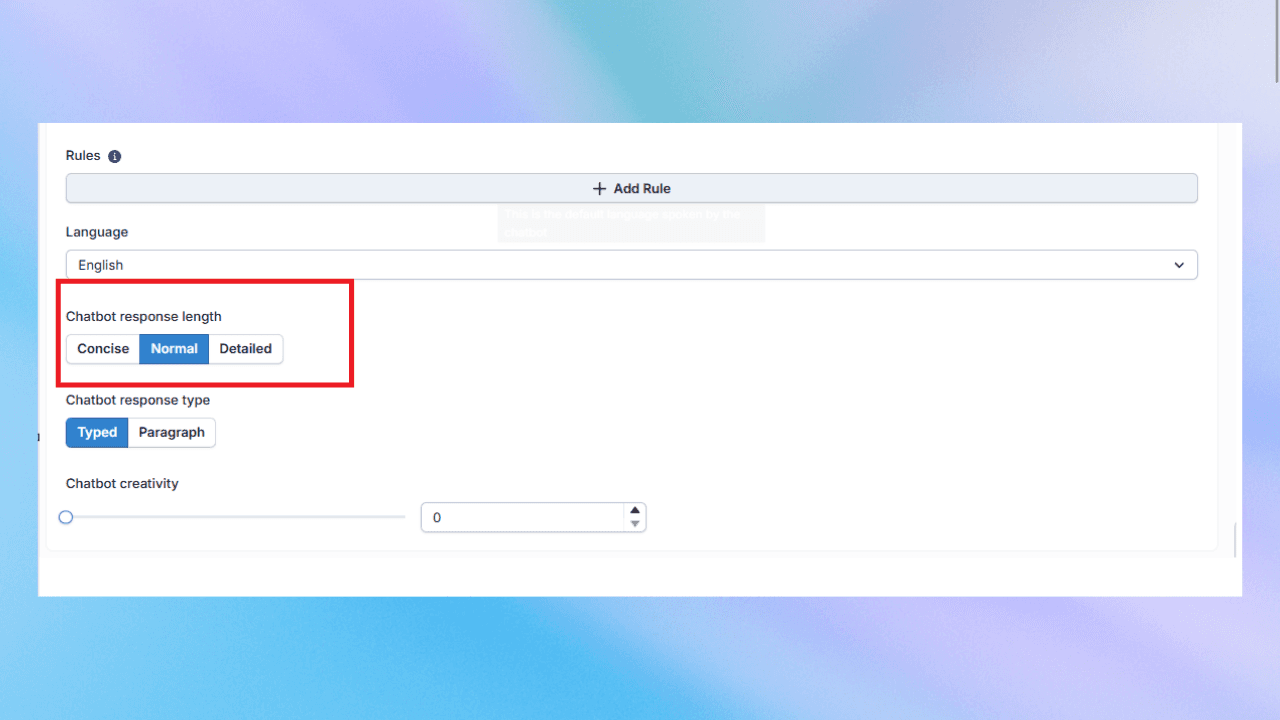
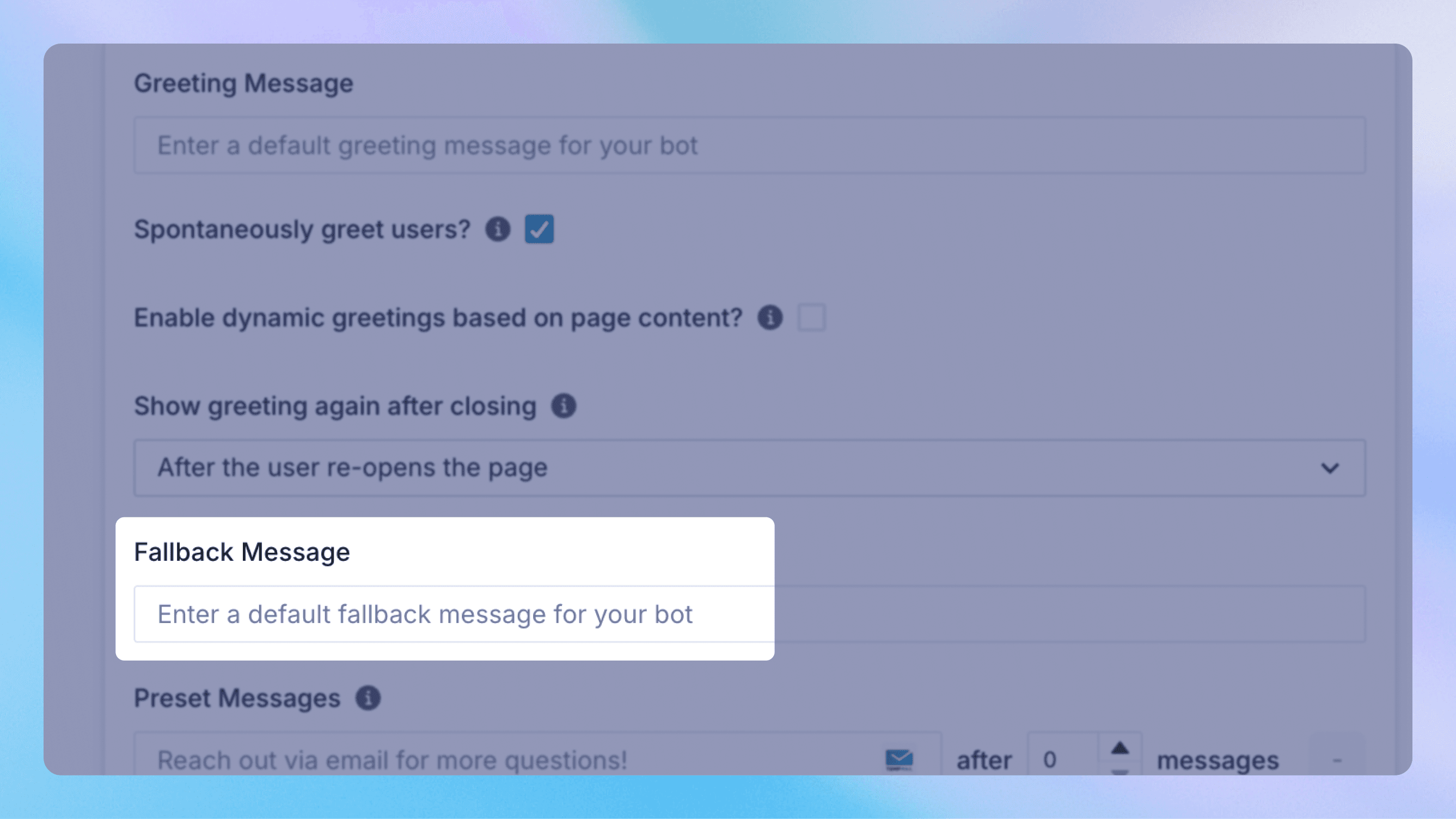
The agent evaluates how well your content actually supports each answer. When confidence is high - the answer is clearly grounded in your docs - it responds. When it's low, the answer escalates to a human or falls back, instead of being delivered as fact. You set the threshold, so you decide how cautious the agent is: tighter for high-stakes support, looser where a best-effort answer is fine.
This turns "is the AI accurate?" from a hope into a control. Rather than trusting that every answer is right, you get a system that flags its own uncertainty and routes the doubtful ones to a person - the same judgment a good support rep uses when they say "let me double-check that."
Combined with grounding and citation, it's a third layer of safety: answer only from your content, show the source, and score the confidence before sending. It's part of a SOC 2 Type II certified, GDPR-compliant platform. Ship answers you can stand behind, and escalate the ones you can't.
What you control
Which sources confidence scoring for answers may use
Wording for answers you cannot get wrong
Who on the team can change it
What gets logged and exported
Frequently asked question
How do I know if an AI answer is reliable?
Wonderchat scores its confidence on every answer before sending. High-confidence answers go out; low-confidence ones escalate to a human instead of shipping a guess.
Can I set how cautious the agent is?
What happens to a low-confidence answer?
See it answer your hardest question — from your own docs.
One agent for support and sales, trained on your content, ready in minutes.