AI for Automated IT Ticket Classification & Categorization

Eliminate manual ticket sorting with intelligent AI that automatically classifies, tags, and categorizes IT requests with precision.

Trusted by businesses worldwide

Why Ticket Classification Needs Automation

Manual ticket classification wastes hours daily—technicians reading descriptions, assigning categories, adding tags, and routing to teams. Inconsistent classification causes misrouting, SLA breaches, and reporting inaccuracies that obscure true helpdesk performance. Wonderchat's ticket classification AI automates categorization by analyzing ticket descriptions and assigning categories (hardware, software, network, security), subcategories (laptop, printer, email, VPN), tags (urgent, access request, onboarding), and routing destinations. Train it on your ticket taxonomy, classification rules, and historical patterns in 5 minutes. The AI delivers consistent classification in 100+ languages, reducing manual sorting by up to 70%. IT operations teams gain instant, accurate ticket categorization, improved routing precision, and reliable reporting data. The AI handles routine classification decisions—recognizing printer issues, password resets, or software bugs—while flagging ambiguous tickets for human review. Transform ticket management from subjective manual sorting into objective, data-driven classification.

Emily

AI Agent

Wonderbot

Welcome to Wonderchat! How can I help you today?

hey i’d like to upgrade to enterprise please

Wonderbot

Sure, please hold on for a second.

Retrieving account details...

Please confirm that you would like to upgrade to Wonderchat Enterprise. Your Visa card ending in 1234 will be charged $480.00 a year.

Cancel

Upgrade

Message...

Easy 5 minute set-up

How Wonderchat Works

Classification Automation

Multi-Level Category Assignment

Automatically assign categories (hardware, software, network, security), subcategories (laptop issues, email problems, VPN access), and granular tags (P1 incident, service request, password reset) based on ticket content, user department, and asset type.

Primary category and subcategory assignment

Granular tagging for reporting and analytics

Automatic routing based on classification
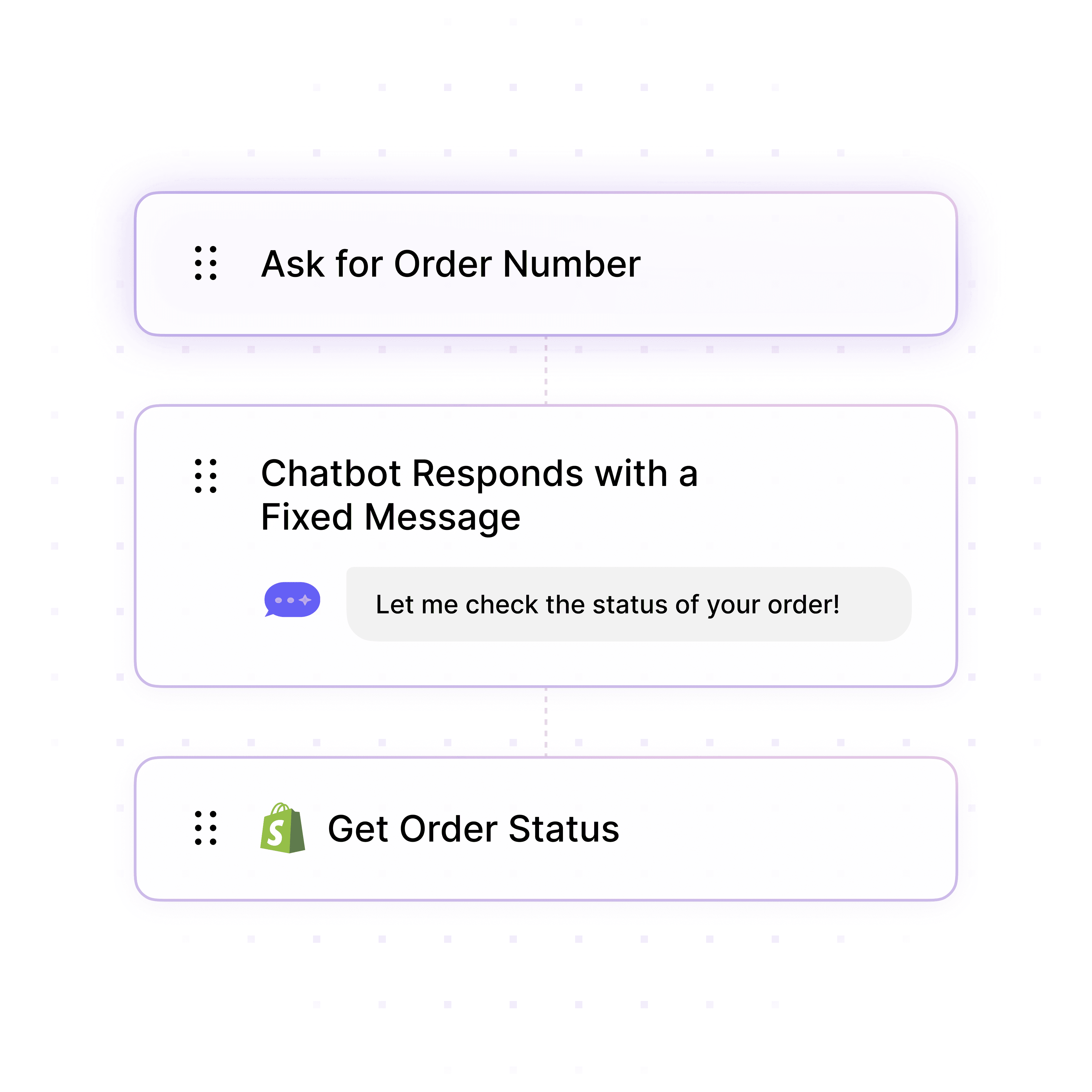
Classification Automation

Multi-Level Category Assignment

Automatically assign categories (hardware, software, network, security), subcategories (laptop issues, email problems, VPN access), and granular tags (P1 incident, service request, password reset) based on ticket content, user department, and asset type.

Primary category and subcategory assignment

Granular tagging for reporting and analytics

Automatic routing based on classification

Classification Automation

Multi-Level Category Assignment

Automatically assign categories (hardware, software, network, security), subcategories (laptop issues, email problems, VPN access), and granular tags (P1 incident, service request, password reset) based on ticket content, user department, and asset type.

Primary category and subcategory assignment

Granular tagging for reporting and analytics

Automatic routing based on classification

Machine Learning

Learn from Historical Ticket Patterns

Train on thousands of historical tickets to recognize classification patterns, common issue descriptions, resolution categories, and technician reclassification decisions. The AI continuously improves accuracy by learning from corrections.

Historical ticket data and classification patterns

Technician correction feedback loops

Continuous learning from resolution outcomes
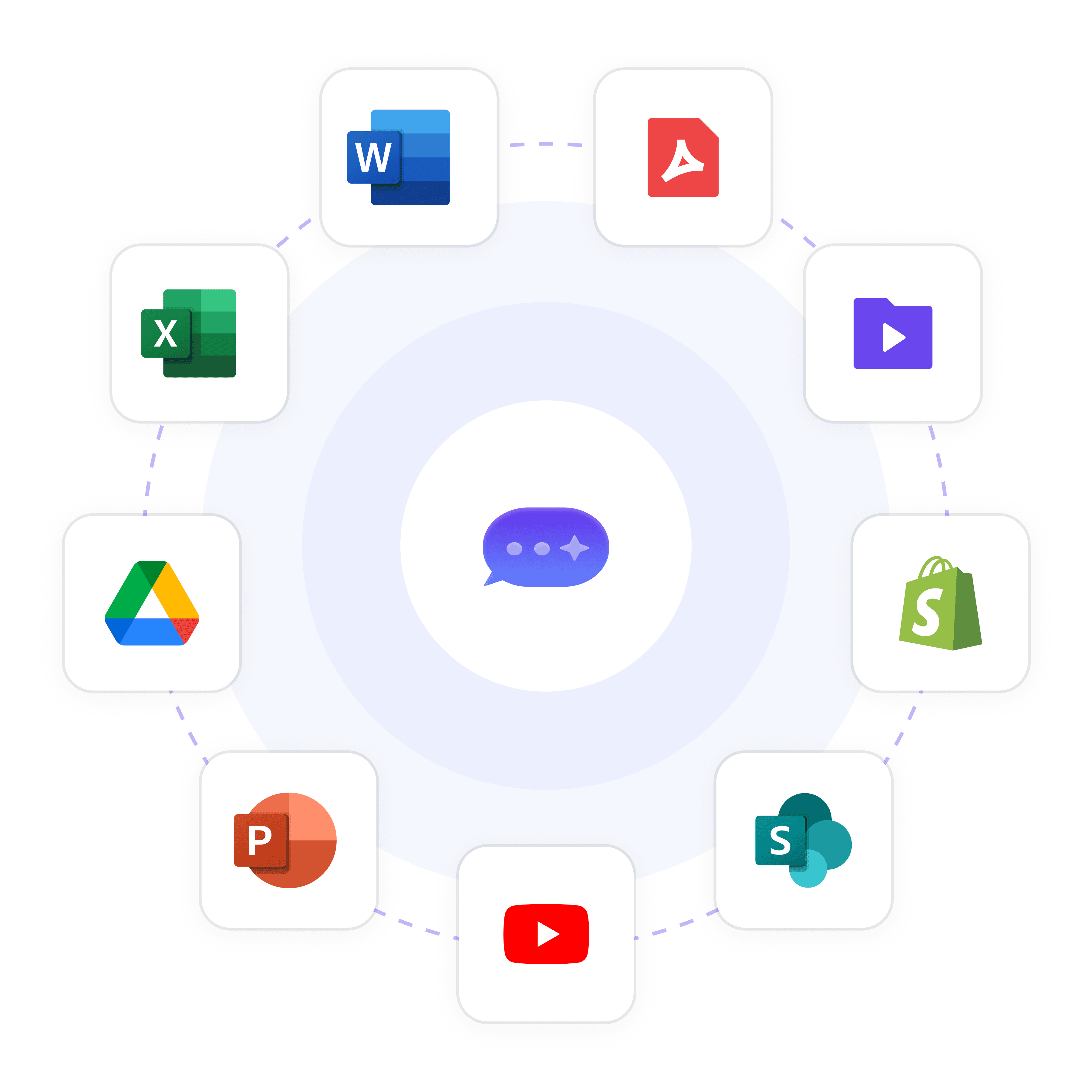
Machine Learning

Learn from Historical Ticket Patterns

Train on thousands of historical tickets to recognize classification patterns, common issue descriptions, resolution categories, and technician reclassification decisions. The AI continuously improves accuracy by learning from corrections.

Historical ticket data and classification patterns

Technician correction feedback loops

Continuous learning from resolution outcomes

Machine Learning

Learn from Historical Ticket Patterns

Train on thousands of historical tickets to recognize classification patterns, common issue descriptions, resolution categories, and technician reclassification decisions. The AI continuously improves accuracy by learning from corrections.

Historical ticket data and classification patterns

Technician correction feedback loops

Continuous learning from resolution outcomes

Classification Analytics

Track Accuracy & Identify Trends

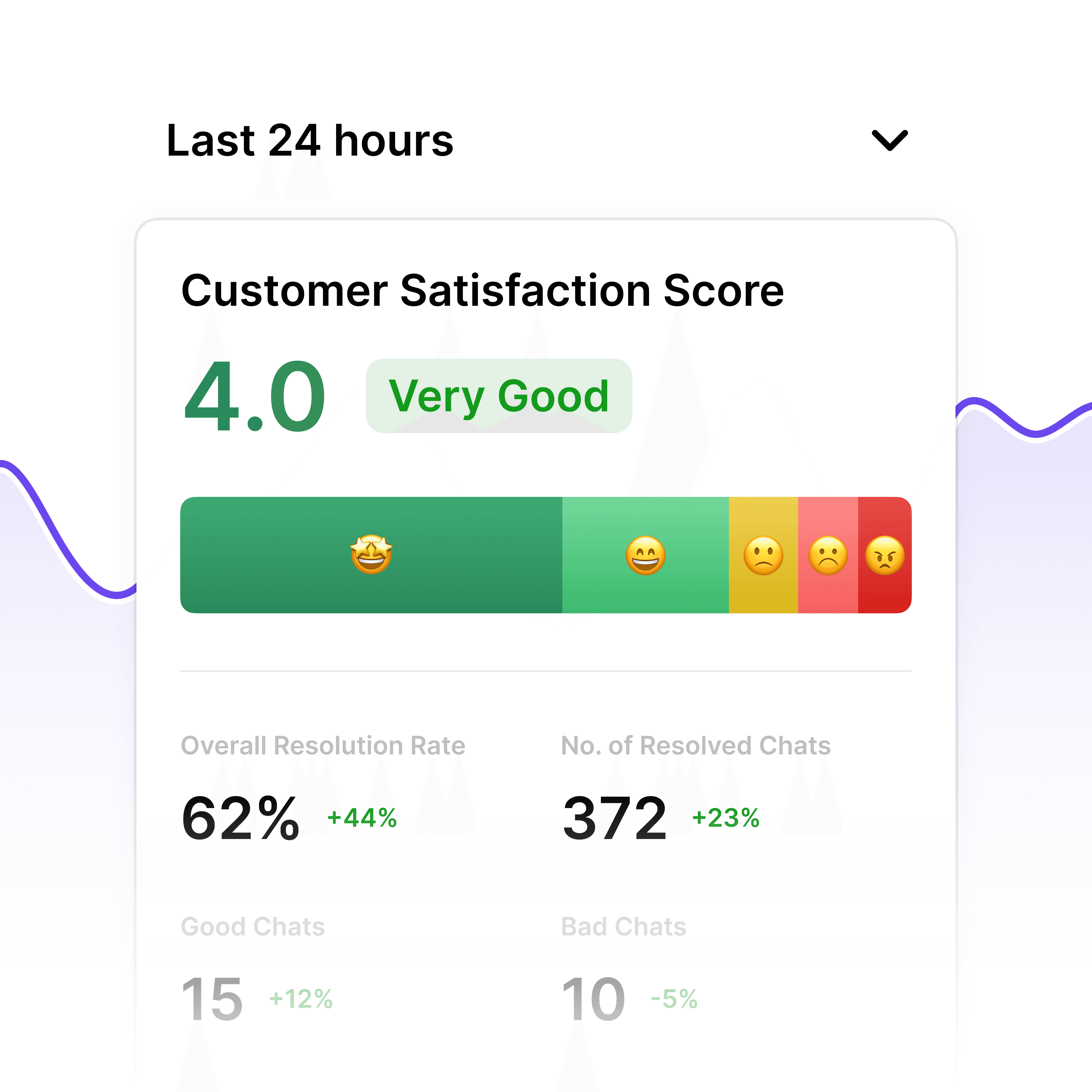
Built-in analytics show classification accuracy rates, most common categories, misrouting incidents, reclassification frequency, and emerging issue trends to optimize taxonomy and improve helpdesk operations.

Classification accuracy and confidence scores

Most common issue categories and trends

Reclassification rates and routing errors

Classification Analytics

Track Accuracy & Identify Trends

Built-in analytics show classification accuracy rates, most common categories, misrouting incidents, reclassification frequency, and emerging issue trends to optimize taxonomy and improve helpdesk operations.

Classification accuracy and confidence scores

Most common issue categories and trends

Reclassification rates and routing errors

Classification Analytics

Track Accuracy & Identify Trends

Built-in analytics show classification accuracy rates, most common categories, misrouting incidents, reclassification frequency, and emerging issue trends to optimize taxonomy and improve helpdesk operations.

Classification accuracy and confidence scores

Most common issue categories and trends

Reclassification rates and routing errors

5-minute set up with our native integration

Automate Ticket Classification in 5 Minutes

1

Create your AI chatbot – Pick the perfect AI model fit for your support needs.

2

Train AI with Docs, FAQs & Policies – Upload knowledge base files and site links.

3

Customise Workflows & Escalation Rules – AI handles what it can, and escalates what it can’t.

4

Monitor & Optimise with Analytics – See where customers get stuck and fine-tune responses.

Standardized Taxonomy

Enforce Consistent Classification Standards

Ensure every ticket follows your standardized taxonomy, preventing inconsistent labeling across technicians, shifts, or regions. Standardization improves reporting accuracy, SLA tracking, and knowledge base effectiveness.

Consistent category and tag usage

Elimination of duplicate or non-standard labels

Improved reporting and analytics reliability
Standardized Taxonomy

Enforce Consistent Classification Standards

Ensure every ticket follows your standardized taxonomy, preventing inconsistent labeling across technicians, shifts, or regions. Standardization improves reporting accuracy, SLA tracking, and knowledge base effectiveness.

Consistent category and tag usage

Elimination of duplicate or non-standard labels

Improved reporting and analytics reliability
Standardized Taxonomy

Enforce Consistent Classification Standards

Ensure every ticket follows your standardized taxonomy, preventing inconsistent labeling across technicians, shifts, or regions. Standardization improves reporting accuracy, SLA tracking, and knowledge base effectiveness.

Consistent category and tag usage

Elimination of duplicate or non-standard labels

Improved reporting and analytics reliability

Analyst Review

Flag Ambiguous Tickets for Human Classification

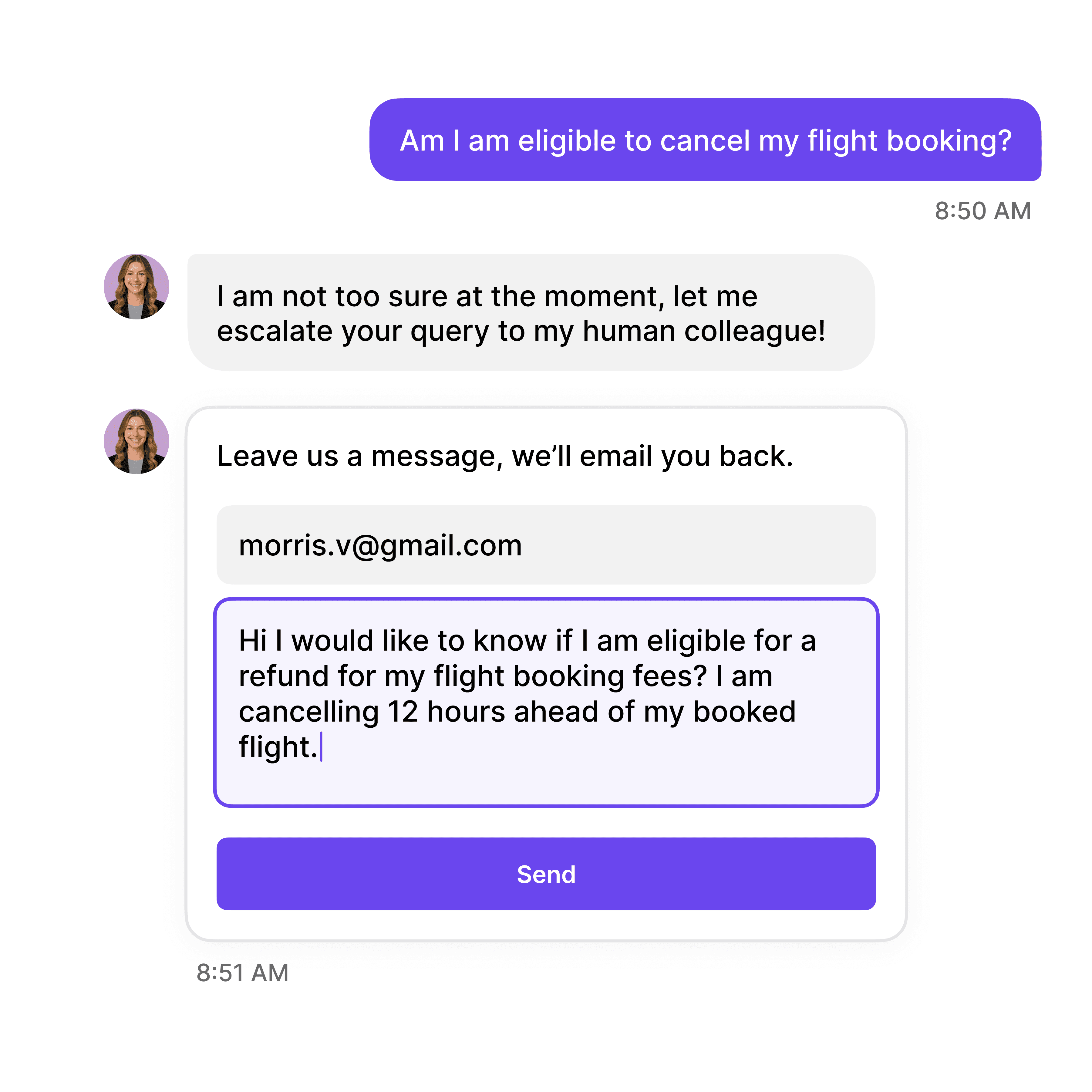
Route tickets with low confidence scores, vague descriptions, or multi-category issues to service desk analysts for manual classification with AI-suggested categories to accelerate review.

Low-confidence classification requiring validation

Multi-category or cross-functional issues

New issue types not in training data

Analyst Review

Flag Ambiguous Tickets for Human Classification

Route tickets with low confidence scores, vague descriptions, or multi-category issues to service desk analysts for manual classification with AI-suggested categories to accelerate review.

Low-confidence classification requiring validation

Multi-category or cross-functional issues

New issue types not in training data

Analyst Review

Flag Ambiguous Tickets for Human Classification

Route tickets with low confidence scores, vague descriptions, or multi-category issues to service desk analysts for manual classification with AI-suggested categories to accelerate review.

Low-confidence classification requiring validation

Multi-category or cross-functional issues

New issue types not in training data

40+ Languages

Starts at $0.02/message

Available 24/7

Start Free Trial

Testimonials

Businesses with successful customer service start

with Wonderchat

Industry Grade Compliance

Wonderchat is GDPR compliant and AICPA SOC 2 Certified.

FAQ

How does automated ticket classification work?

Wonderchat uses natural language processing to analyze ticket descriptions, subject lines, and user details. It recognizes keywords, phrases, and context to assign categories (hardware, software, network), subcategories (printer, email, VPN), and tags (urgent, access request, new hire). For example, "Can't print to 3rd floor HP printer" is classified as Hardware > Printer > Non-urgent and routed to desktop support.

Can the AI learn from historical ticket data?

Yes, Wonderchat trains on your historical tickets to recognize classification patterns. If 95% of "forgot password" tickets were classified as Software > Authentication > Self-Service, the AI learns this pattern. When technicians reclassify tickets, the AI incorporates this feedback to improve future accuracy, continuously adapting to your organization's evolving taxonomy.

Does automated classification integrate with our helpdesk system?

Absolutely. Wonderchat integrates with ServiceNow, Zendesk, Freshdesk, and Jira Service Management to automatically populate category fields, add tags, and trigger routing rules upon ticket creation. Tickets arrive pre-classified, eliminating manual sorting and ensuring instant, accurate routing to specialized teams.

How accurate is AI ticket classification compared to human classification?

Wonderchat achieves 90%+ classification accuracy when trained on sufficient historical data and clear taxonomy. The AI identifies confidence scores for each classification—high-confidence tickets proceed automatically, low-confidence tickets flag for human review. Over time, accuracy improves as the AI learns from corrections, often matching or exceeding human consistency.

Can the chatbot handle custom categories and taxonomies?

Yes, Wonderchat adapts to your unique ticket taxonomy, whether you use ITIL-standard categories or custom classifications. Define your categories (e.g., Cloud Services > AWS > S3), subcategories, tags, and routing rules. The AI learns your specific structure and applies it consistently across all tickets.

What happens when ticket descriptions are vague or ambiguous?

When the AI detects low-confidence classification—vague descriptions like "system not working," multi-category issues, or new problem types—it flags these tickets for human review while suggesting probable categories based on available context. Analysts can quickly validate or correct the classification, and the AI learns from each decision.

FAQ

How does automated ticket classification work?

Wonderchat uses natural language processing to analyze ticket descriptions, subject lines, and user details. It recognizes keywords, phrases, and context to assign categories (hardware, software, network), subcategories (printer, email, VPN), and tags (urgent, access request, new hire). For example, "Can't print to 3rd floor HP printer" is classified as Hardware > Printer > Non-urgent and routed to desktop support.

Can the AI learn from historical ticket data?

Yes, Wonderchat trains on your historical tickets to recognize classification patterns. If 95% of "forgot password" tickets were classified as Software > Authentication > Self-Service, the AI learns this pattern. When technicians reclassify tickets, the AI incorporates this feedback to improve future accuracy, continuously adapting to your organization's evolving taxonomy.

Does automated classification integrate with our helpdesk system?

Absolutely. Wonderchat integrates with ServiceNow, Zendesk, Freshdesk, and Jira Service Management to automatically populate category fields, add tags, and trigger routing rules upon ticket creation. Tickets arrive pre-classified, eliminating manual sorting and ensuring instant, accurate routing to specialized teams.

How accurate is AI ticket classification compared to human classification?

Wonderchat achieves 90%+ classification accuracy when trained on sufficient historical data and clear taxonomy. The AI identifies confidence scores for each classification—high-confidence tickets proceed automatically, low-confidence tickets flag for human review. Over time, accuracy improves as the AI learns from corrections, often matching or exceeding human consistency.

Can the chatbot handle custom categories and taxonomies?

Yes, Wonderchat adapts to your unique ticket taxonomy, whether you use ITIL-standard categories or custom classifications. Define your categories (e.g., Cloud Services > AWS > S3), subcategories, tags, and routing rules. The AI learns your specific structure and applies it consistently across all tickets.

What happens when ticket descriptions are vague or ambiguous?

When the AI detects low-confidence classification—vague descriptions like "system not working," multi-category issues, or new problem types—it flags these tickets for human review while suggesting probable categories based on available context. Analysts can quickly validate or correct the classification, and the AI learns from each decision.

FAQ

How does automated ticket classification work?

Wonderchat uses natural language processing to analyze ticket descriptions, subject lines, and user details. It recognizes keywords, phrases, and context to assign categories (hardware, software, network), subcategories (printer, email, VPN), and tags (urgent, access request, new hire). For example, "Can't print to 3rd floor HP printer" is classified as Hardware > Printer > Non-urgent and routed to desktop support.

Can the AI learn from historical ticket data?

Yes, Wonderchat trains on your historical tickets to recognize classification patterns. If 95% of "forgot password" tickets were classified as Software > Authentication > Self-Service, the AI learns this pattern. When technicians reclassify tickets, the AI incorporates this feedback to improve future accuracy, continuously adapting to your organization's evolving taxonomy.

Does automated classification integrate with our helpdesk system?

Absolutely. Wonderchat integrates with ServiceNow, Zendesk, Freshdesk, and Jira Service Management to automatically populate category fields, add tags, and trigger routing rules upon ticket creation. Tickets arrive pre-classified, eliminating manual sorting and ensuring instant, accurate routing to specialized teams.

How accurate is AI ticket classification compared to human classification?

Wonderchat achieves 90%+ classification accuracy when trained on sufficient historical data and clear taxonomy. The AI identifies confidence scores for each classification—high-confidence tickets proceed automatically, low-confidence tickets flag for human review. Over time, accuracy improves as the AI learns from corrections, often matching or exceeding human consistency.

Can the chatbot handle custom categories and taxonomies?

Yes, Wonderchat adapts to your unique ticket taxonomy, whether you use ITIL-standard categories or custom classifications. Define your categories (e.g., Cloud Services > AWS > S3), subcategories, tags, and routing rules. The AI learns your specific structure and applies it consistently across all tickets.

What happens when ticket descriptions are vague or ambiguous?

When the AI detects low-confidence classification—vague descriptions like "system not working," multi-category issues, or new problem types—it flags these tickets for human review while suggesting probable categories based on available context. Analysts can quickly validate or correct the classification, and the AI learns from each decision.

40+ Languages

Starts at $0.02/message

Available 24/7

Start Free Trial

The platform to build AI agents that feel human

© 2025 Wonderchat Private Limited